Multilayer Mandala Mirror Design 3: Elegance in Dimensional Wall Art
Understanding the Design and Its Appeal
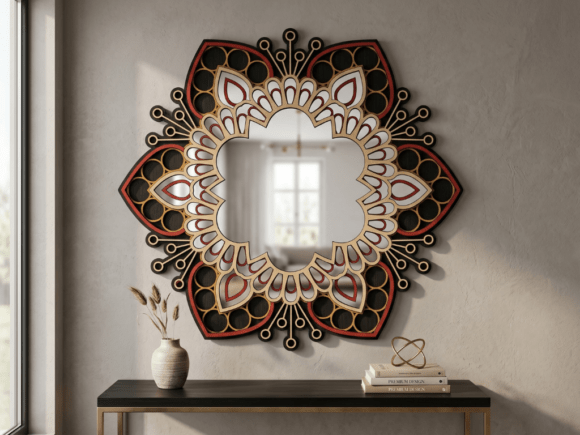
The Multilayer Mandala Mirror Design 3 is more than a decorative accent—it’s a statement piece crafted for modern interiors that value depth, symmetry, and craftsmanship. With its four-layer construction and intricate mandala geometry, this design brings a sculptural quality to any space. Whether you're a DIY enthusiast or a professional designer, the design offers flexibility and visual impact when executed properly.
At its core, this design leverages stacked layers to create a 3D effect that enhances depth and contrast. The ornamental floral symmetry, combined with a dedicated mirror frame component, makes it ideal for those looking to elevate their wall décor without relying on traditional framed art. However, despite its elegance, many buyers overlook key aspects that can affect the final outcome.
Common Missteps and How to Avoid Them
One of the most frequent oversights involves misunderstanding the digital-only nature of the product. Buyers sometimes expect a physical item to arrive, only to realize later that they must handle the production themselves. This can lead to confusion, especially when it comes to selecting the right materials and finishes.
Material selection is another area where many stumble. The design files are fully scalable and compatible with various fabrication methods, but not all materials behave the same way. For instance, using thin MDF instead of high-density fiberboard (HDF) may compromise the structural integrity and visual depth of the final piece.
- Using low-quality mirror inserts that warp or discolor over time
- Choosing finishes that clash with the room’s color palette
- Underestimating the importance of precise layer alignment during assembly
These missteps can affect not only the aesthetic appeal but also the longevity and perceived value of the installation. A poorly chosen mirror, for example, may distort reflections or appear cheap, undercutting the luxurious effect the design aims to achieve.
Clarifying the Components and Their Roles
This design includes four distinct layers, each contributing to the overall dimensional effect. Layer 1 typically serves as the base, providing structural support and the foundational pattern. Layer 2 adds intermediate depth, often introducing more intricate mandala details. Layer 3 enhances contrast and detail, while Layer 4 acts as the outermost ornamental frame that draws the eye inward.
The mirror frame component is often underestimated. It’s not just a placeholder—it’s engineered to securely integrate the mirror while complementing the layered design. Neglecting this part or improvising without proper alignment can disrupt the visual balance and reduce the focal impact of the piece.
What to Check Before You Download or Produce
Before committing to this design, ensure you understand the scope of your project and your fabrication capabilities. Here are a few practical considerations:
- File Compatibility: Confirm that your equipment supports the file formats included (SVG, DXF, DWG, AI). Some cutting machines or laser cutters may require specific software to interpret these files accurately.
- Scaling Precision: While the design is fully scalable, scaling too large without adjusting material thickness can lead to warping or instability. Always test with a small-scale prototype before full production.
- Production Settings: Different materials require different laser settings. If you're using acrylic or wood, for example, the power and speed settings will vary significantly. Don’t assume one-size-fits-all settings will work.
- Mirror Integration: Since the mirror is not included, source a high-quality reflective surface that fits precisely within the frame dimensions. Consider UV-resistant adhesives and protective coatings if the piece will be near windows or in high-humidity areas.
Realistic Examples of Better Execution
Consider a small business owner who ordered the design intending to create a statement wall in their boutique. Initially, they chose a glossy black acrylic for all layers, expecting a sleek, modern look. However, the lack of contrast between layers made the design appear flat rather than dimensional. After consulting with a fabricator, they switched to a matte black base with glossy overlays, which dramatically enhanced the depth and visual interest.
In another case, a hobbyist underestimated the importance of accurate layer alignment. After cutting the pieces, they realized the design didn’t sit flush against the wall due to misaligned mounting holes. Rechecking the DXF file and adjusting the drill points before final assembly resolved the issue—saving both time and materials.
Maximizing Value Through Informed Choices
Ultimately, the Multilayer Mandala Mirror Design 3 offers a unique opportunity to create high-impact décor with minimal physical materials—provided you approach it with clarity and preparation. Don’t rush the decision-making process. Take time to understand the components, test materials, and plan your installation carefully.
Whether you're a creator, educator, or small business owner, this design can be a versatile tool in your visual storytelling arsenal. By avoiding common pitfalls and making informed choices, you’ll ensure that your final piece not only looks impressive but also stands the test of time—both structurally and aesthetically.
Final Thoughts: A Design Worth Mastering
This design isn’t just about aesthetics—it’s about intentionality. Every layer, every cut, and every material choice plays a role in how the final piece is perceived and experienced. By approaching the Multilayer Mandala Mirror Design 3 with a thoughtful, informed mindset, you set yourself up for a rewarding and professional-looking result.