Strategic Design Thinking with Coffee Table Design 1: A Layered Approach to Modern Furniture Projects
When it comes to modern furniture design, the Coffee Table Design 1 stands out as a compelling example of how structural precision and aesthetic intention can converge to create something both functional and visually engaging. At its core, this design is more than just a decorative centerpiece—it’s a deliberate exercise in layering, symmetry, and spatial awareness that, when executed well, can elevate the quality of interior environments and support broader design strategies.
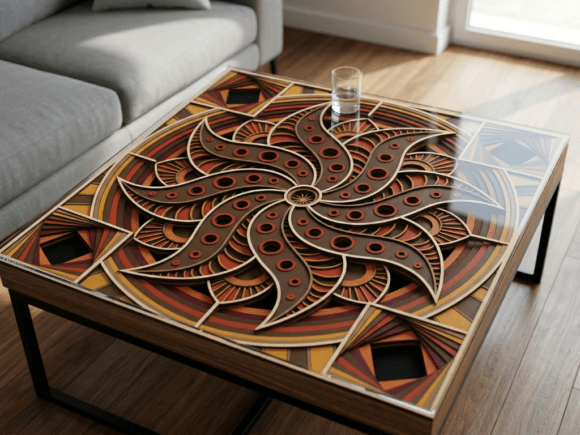
The 9-layer multilayer geometric design of Coffee Table Design 1 is engineered for impact. Its radial-inspired geometric pattern isn’t just about visual flair; it’s a calculated composition that balances form and function. Each layer is designed to align with the next, creating a sense of depth and dimensionality that enhances the final assembled piece. This structure supports not only the physical integrity of the table but also the strategic goals of designers and creators who seek to produce high-quality, scalable furniture solutions.
Why Coffee Table Design 1 Matters for Strategic Creatives
For entrepreneurs, designers, and small business owners, choosing the right design framework is a decision that affects both aesthetics and outcomes. Coffee Table Design 1 offers a modular, scalable structure that supports a variety of applications—from residential interiors to commercial spaces. Its layered design allows for customization while maintaining a strong visual identity, making it ideal for those who want to create a consistent brand presence through physical environments.
When used thoughtfully, this design can serve as a foundation for larger strategic initiatives. For example, a furniture brand looking to establish itself in the premium market might use Coffee Table Design 1 as a signature piece—leveraging its clean geometric lines and progressive layering to communicate sophistication and innovation. In this context, the design becomes more than a product; it becomes a strategic asset that supports brand positioning and customer perception.
Planning for Long-Term Value with Coffee Table Design 1
Before diving into production, it’s essential to consider how Coffee Table Design 1 aligns with your broader goals. Because the design is fully scalable, it offers flexibility in size and material choice, but this also means that decisions made early in the planning phase will influence the final outcome. Here are a few strategic considerations:
- Material Selection: The final appearance of the design may vary depending on material thickness and finishing processes. Choosing the right material is not just about cost or availability—it’s about ensuring the final piece communicates the intended visual and tactile experience.
- Assembly Precision: With 10 total components—including a glass frame top structure and nine individual layers—alignment and fit are critical. A well-executed assembly reinforces the design’s structural integrity and enhances its visual impact.
- Customization Potential: The layered nature of Coffee Table Design 1 makes it ideal for customization. Whether you’re adjusting proportions for a specific space or adding unique finishes to differentiate your product, this design offers room for creative exploration without compromising its foundational structure.
Use Cases That Demonstrate Strategic Application
Let’s look at a few real-world scenarios where Coffee Table Design 1 can be leveraged for strategic advantage:
- Interior Design Projects: A designer working on a modern living space can use this coffee table as a focal point that ties together other geometric or minimalist elements in the room. Its layered design adds visual interest without overwhelming the space.
- Furniture Branding: For a new furniture brand entering the market, Coffee Table Design 1 can serve as a flagship product that showcases craftsmanship, attention to detail, and a commitment to innovative design.
- Educational Use: Educators and hobbyists can use this design to teach principles of structural layering, precision cutting, and assembly techniques. It offers a hands-on way to explore design thinking and execution.
Aligning Design with Purpose: Strategic Planning Tips
To get the most out of Coffee Table Design 1, approach it as you would any strategic initiative—start with clear objectives, evaluate constraints, and plan for scalability and adaptability. Here are a few practical tips:
- Define the Purpose: Is this piece meant to be functional, decorative, or both? Clarifying the role of the coffee table in its intended environment will guide decisions about size, material, and finish.
- Consider the Environment: The table’s geometric pattern will interact differently in various spaces. A minimalist room may benefit from its bold lines, while a more eclectic space might require toning down the contrast to avoid visual overload.
- Test Before Scaling: Because the design is fully scalable, it’s wise to create a prototype before committing to large-scale production. This allows you to assess how well the layers align and how the final product feels in a real-world setting.
Understanding the Risks of Misalignment
While Coffee Table Design 1 offers many strategic advantages, it’s not a one-size-fits-all solution. Using it without a clear understanding of its structural and aesthetic implications can lead to disappointing results. For instance, if the layers are not precisely aligned during assembly, the 3D visual effect may be compromised. Similarly, choosing a material that doesn’t complement the design’s geometric nature can dull its impact.
Another potential pitfall is assuming that the design will automatically enhance any space or brand. Like any design element, its effectiveness depends on how well it aligns with the surrounding context and overall strategy. Without intentional planning, Coffee Table Design 1 may become a decorative afterthought rather than a strategic centerpiece.
Conclusion: Making Intentional Design Decisions
Coffee Table Design 1 is more than a product—it’s a framework for intentional design. Whether you’re a small business owner launching a new furniture line or a creator exploring layered structures, this design offers a versatile and scalable solution that supports both creative and strategic goals.
By approaching it with a clear purpose, attention to detail, and an understanding of its structural and visual dynamics, you can ensure that your use of Coffee Table Design 1 goes beyond aesthetics. It becomes a tool for communication, branding, and long-term value creation—proving that even in furniture design, the right strategy can make all the difference.